What are PFAS chemicals?

Per and polyfluoroalkyl substances (PFAS) are a class of complex chemicals used for consumer goods worldwide for the last 70 years. PFAS were accidentally invented in 1938 by DuPont chemist Roy J. Plunkett while he was experimenting with refrigerant gases. Plunkett discovered polytetrafluoroethylene (PTFE), the first compound in the family of perfluorinated chemicals, which was later commercialised as Teflon. This discovery led to the development of a wide range of PFAS chemicals in the following decades. PFAS were initially used in Teflon to make products such as non-stick pans, but have since been used in products like Scotch Guard, firefighting foams, stain resistant fabrics and carpets, and cosmetics. PFAS owe their decades of popularity to their ability to resist heat, oil, stains, and water. Rather than being a specific chemical like chlorine or fluoride, PFAS is an umbrella term for a growing list of man-made substances. Other acronyms are used to refer to specific groups within the PFAS class of chemicals:

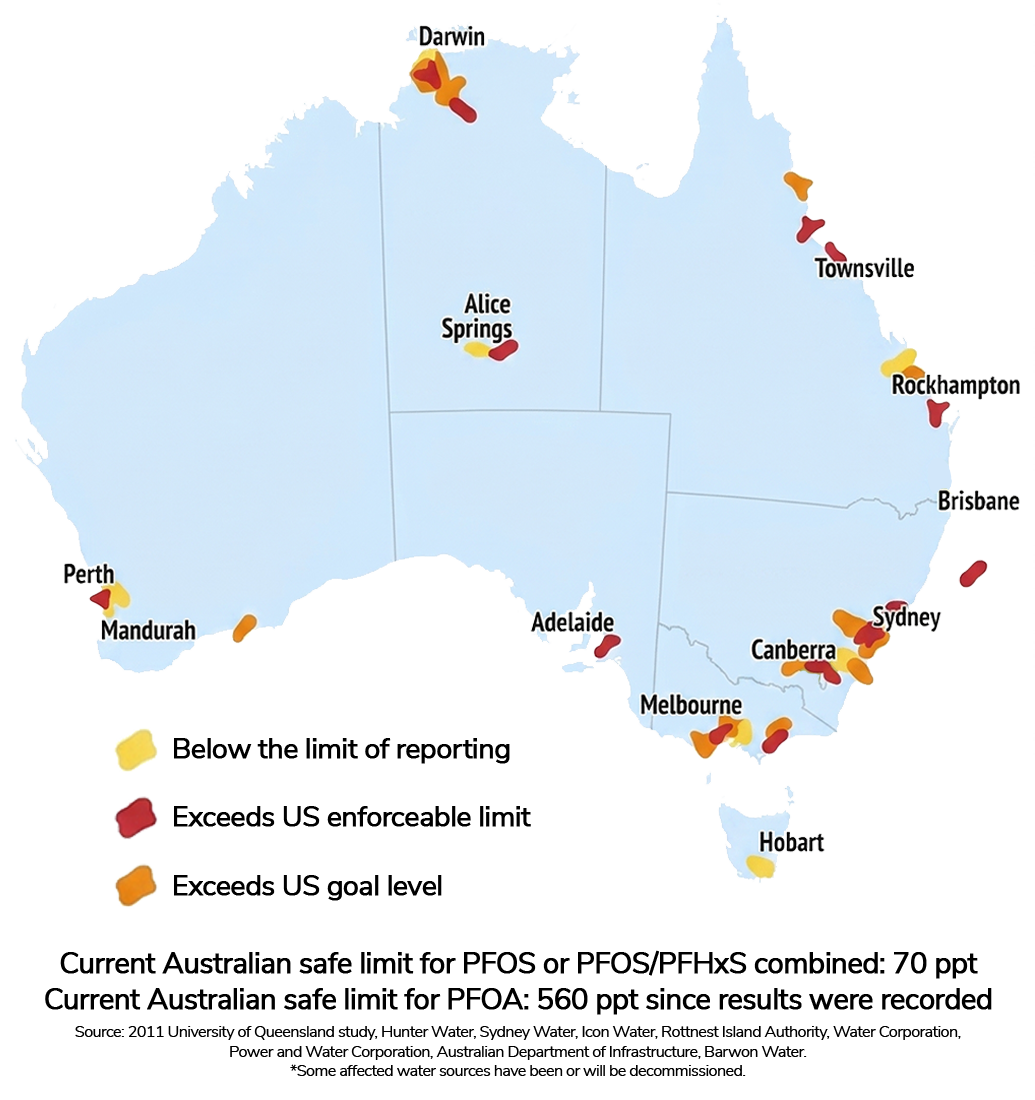
These PFAS compounds have been given the nickname “forever chemicals” because they take so long to break down in the environment – and in our bodies. Rather than being expelled through sweat and waste like other toxins, forever chemicals bio-accumulate (build up over time) in both animals and humans.  Poor management and corporate disclosure led to the leaching of PFAS chemicals into the water table and surrounding environments, primarily through aqueous film-forming foams (fire fighting foams used from the 1970s to the mid-2000s), contaminating agricultural areas and water providers.  Another problem with forever chemicals is that they do not break down in the environment and can travel for long distances through water and air. The adverse effects of certain forever chemicals have been known for decades, while other PFAS compounds are still being studied and monitored to help us understand their impact on our bodies. Studies released in 2000 concluded that 95% of the planet’s water was contaminated with PFAS.  Despite national health concerns, 3M continues to use and make PFAS chemicals. The company announced its exit from per and polyfluoroalkyl substances (PFAS) manufacturing and will work to discontinue using PFAS across its product portfolio by the end of 2025.

Looking for PFAS protection?
Speak to our team about the most effective ways to tackle PFAS

What products contain PFAS? Where can you find PFAS compounds?

According to 3M’s website: PFAS are used in everyday applications to promote durability, water resistance, and many other qualities. They are found in many important parts of modern life, including:

  • Consumer goods

    Water-wicking materials for raincoats, umbrellas, jackets, water-resistant textiles, activewear and tents. Homewares (e.g. food containers, greaseproof paper, kitchen utensils and cookware, etc.), photographs, and paper coatings. Personal care items, including shampoos, toothbrushes, toothpaste, nails, and lashes.
  • Medical, medicines, pharmaceuticals

    Catheters, stents, and needles, as well as transdermal patches that are used for medicine delivery. Life-saving therapeutics that treat COVID-19, as well as common prescription medicines that treat conditions like anxiety or depression

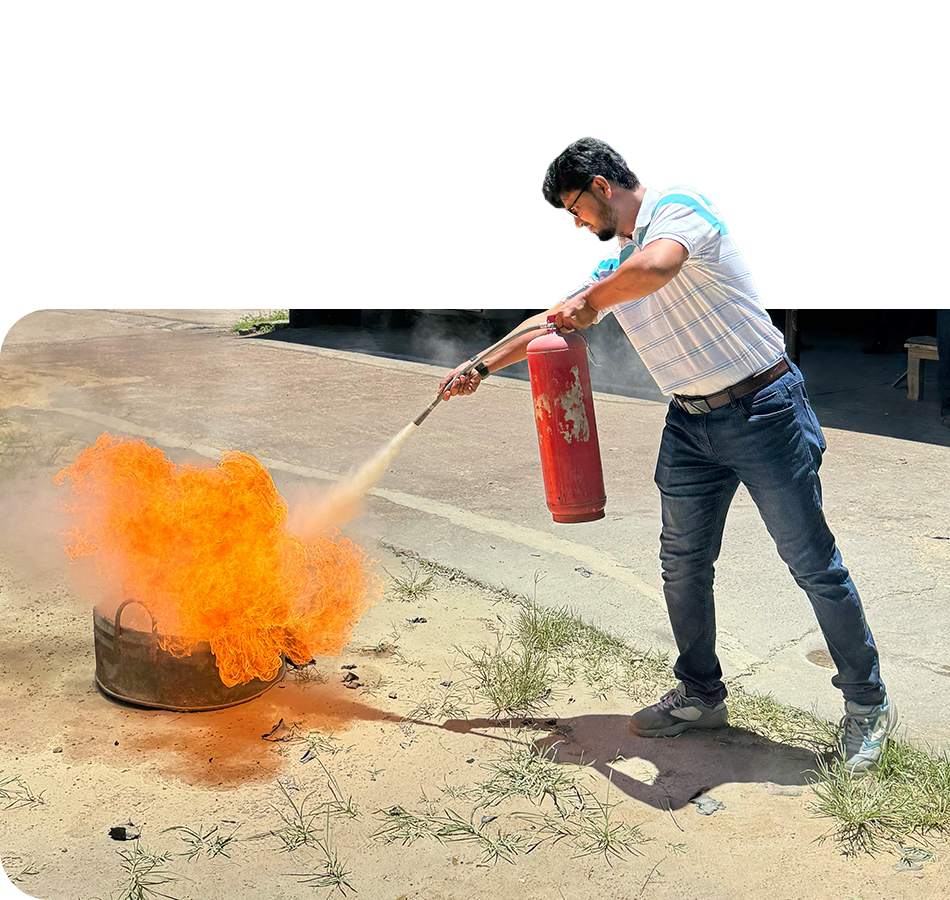
  • Firefighting foam

    Australia is phasing out PFAS firefighting foams due to environmental and health concerns, with a national ban on importing, using, and manufacturing key types taking effect by July 1, 2025. Foams created or used prior contain high levels of PFAS.

  • Electronics and energy

    Semiconductors and batteries, which are vital for everything from smart phones and wearable fitness trackers to national security technologies. Solar panels, windmills, and fuel cells.

  • What can I do about PFAS chemicals today? A Reverse Osmosis filtration system is one of the most reliable tools for managing existing PFAS contamination in drinking water.

    Reverse osmosis water filtration system.

    Reverse osmosis systems

    Complete Home Filtration Reverse Osmosis filtration systems combine multi-stage carbon and sediment filtration with an ultra-fine, semipermeable membrane to reduce dissolved salts, heavy metals, fluoride, pharmaceuticals and other contaminants that can pass through broader water filtration systems.

    Enquire now

    The health effects of PFAS exposure have only started coming to light after decades of global use, causing many to refer to these substances as the ‘new asbestos’.

    In December 2023, the World Health Organization’s cancer agency concluded that PFOA is carcinogenic to humans. In April 2024, the United States EPA concluded that there was no safe level of PFAS and that they were likely to cause cancer.

    Studies have shown that exposure to harmful forever chemicals have an adverse health impact on people with high cholesterol and liver enzyme issues. It can affect reproductive health and fertility, change immune responses to vaccinations, and deteriorate enzyme levels in the blood.

    The presence of PFAS in a pregnant mother’s body can lead to low infant weight and other health concerns for newborn children.

    PFAS are found in many bodily tissues, with PFAS exposure linked to increased risk of renal, thyroid, and liver disease in humans. PFAS is also linked to cancer in the lungs, brain, intestines, and gastrointestinal tract, as well as a variety of inflammatory diseases.

    PFAS has been tied to a wide variety of adverse health effects – a concerning fact when you consider how almost everyone on the planet has been exposed to these forever chemicals.

    Currently in development Whole-home PFAS removal

    Scientific technology and industry innovation in PFAS are rapidly evolving worldwide every day. Initial solutions like activated carbon and reverse osmosis have assisted in significantly reducing PFAS, but no one has yet developed a PFAS water filtration system that can affordably and efficiently reduce PFAS to a healthy level across the whole home. Complete Home Filtration’s founder, Suzanne Dodds, has been on a mission for the last 5 years to create a solution, researching topics like PFAS exposure, human health effects of PFAS, other clinically significant harm, and the environmental burden posed by PFAS. In collaboration with universities, national health scientific studies, and the federal government, Suzanne Dodds is currently developing a new proprietary filtration technology, a world-first PFAS chemical filtration system that protects people from exposure to PFAS-contaminated water throughout the home. This developing technology, “Attapure”, will be designed to remove PFAS compounds from contaminated bore water via a unique PFAS-removing point-of-entry water filtration system. Suzanne Dodds has been developing and testing this PFAS system for several years, ensuring it can keep up with daily household use and address families’ concerns.

    Speak to your local experts

    We’re here to help you find the right whole home filtration solution.